Claude Code as an improvised Mac antivirus: what an agent can really do
Your next creation starts with a sentence. — free credits on sign-up Bring my idea to life
Development assistants are increasingly stepping outside their usual lane: writing code, fixing a bug, explaining an error. A case reported by MacGeneration shows a more unexpected use: a developer asked Claude Code, Anthropic's tool, to inspect his Mac for malware. The account, posted on Reddit under the pseudonym UntilHEX, has not been independently verified by the source. It is still instructive about what an agent can do — and what it cannot guarantee.
The starting point: a thermal monitoring app
According to the reported account, the developer first wanted a small app to monitor the temperature of his Apple Silicon Mac. Claude Code helped him produce a compiled tool, which recorded a peak CPU temperature of 112 °C. That signal, more than any security alert, is what caught the user's attention.
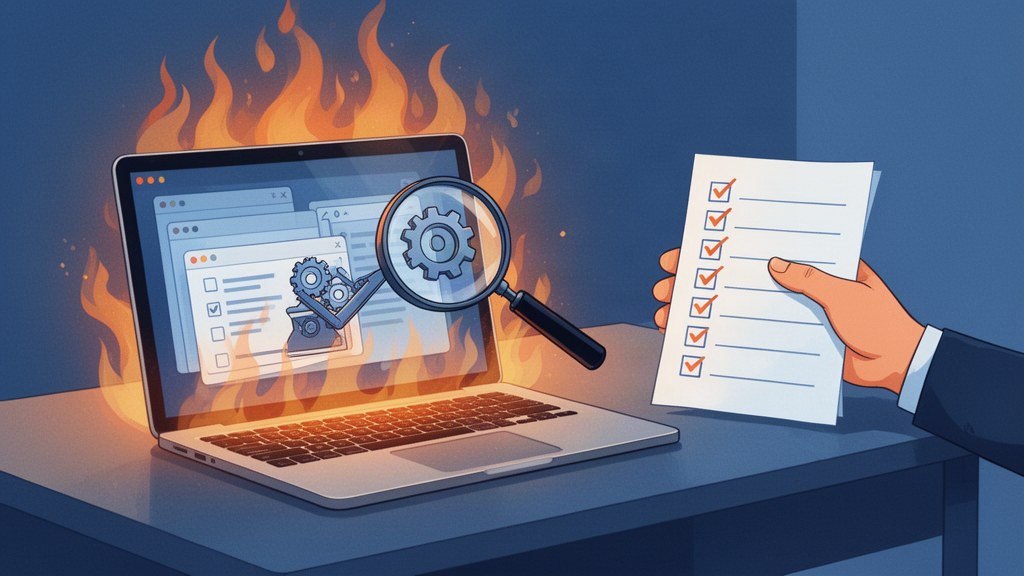
The agent then diagnosed the overheating: a process named XMRig was consuming about 1175% of CPU resources and saturating a dozen cores. XMRig is free cryptocurrency mining software, mainly for Monero via the RandomX algorithm. It is legitimate at its core, but regularly hijacked by attackers for cryptojacking. In this case, the miner had installed itself in system folders to launch automatically at every startup.
What Claude Code actually did
It is important to be precise about the agent's role, because that is where the difference with an antivirus lies. Claude Code did not delete or stop any process on its own. It submitted an action plan to the user: stop the startup item and the miner, then isolate the files in quarantine. The cleanup succeeded, but one file had to be deleted manually because of a permissions issue Claude encountered. A later scan with Malwarebytes confirmed the machine was clean, again according to the source.
In other words, the agent acted as an investigator and proposer: reading system signals, identifying a suspicious process, suggesting a sequence of actions. Execution stayed under human control, which is rather reassuring for a tool not designed for security.
Why macOS saw nothing
The case illustrates a known limit of Apple's built-in defenses. According to the source, macOS issued no alert: XProtect did not detect the intruder. The legitimate nature of XMRig's code often lets it evade this kind of detection when well hidden. A miner is not a virus in the classic sense: it does not try to spread or destroy data, it quietly consumes resources. That is precisely what makes it hard to spot without monitoring CPU activity.
How to phrase the request to an agent
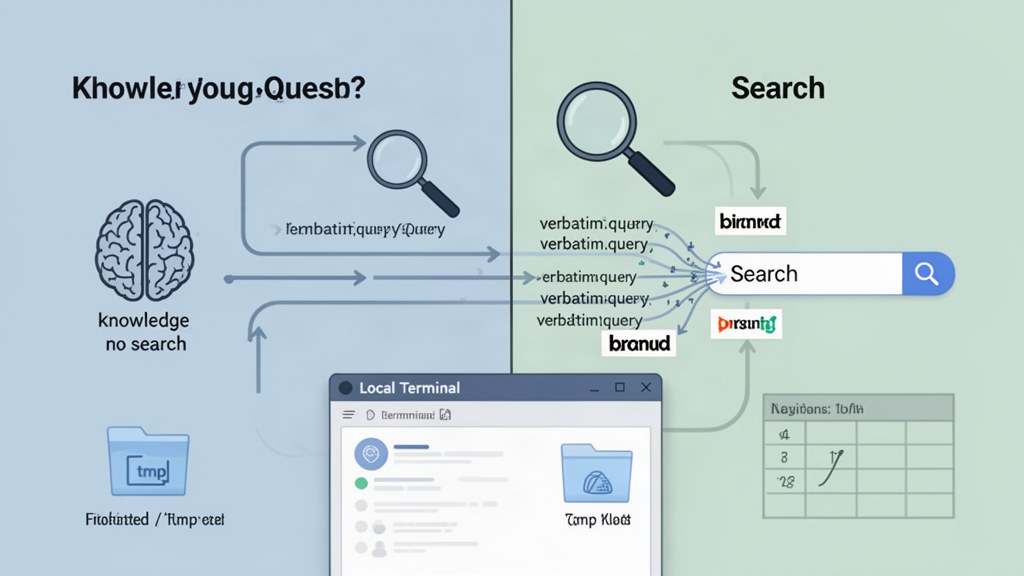
The source does not detail the commands or the exact wording of the request made to Claude Code. It is also unclear whether the agent analyzed the system on its own or only responded to the user's requests. Still, a few cautious principles can be drawn for this kind of use:
- Start from an observable symptom: high temperature, noisy fan, battery draining, abnormal CPU activity. That is what triggered the process in this case.
- Ask for a diagnosis before action: identify resource-heavy processes, unknown startup items, recently modified files in system folders.
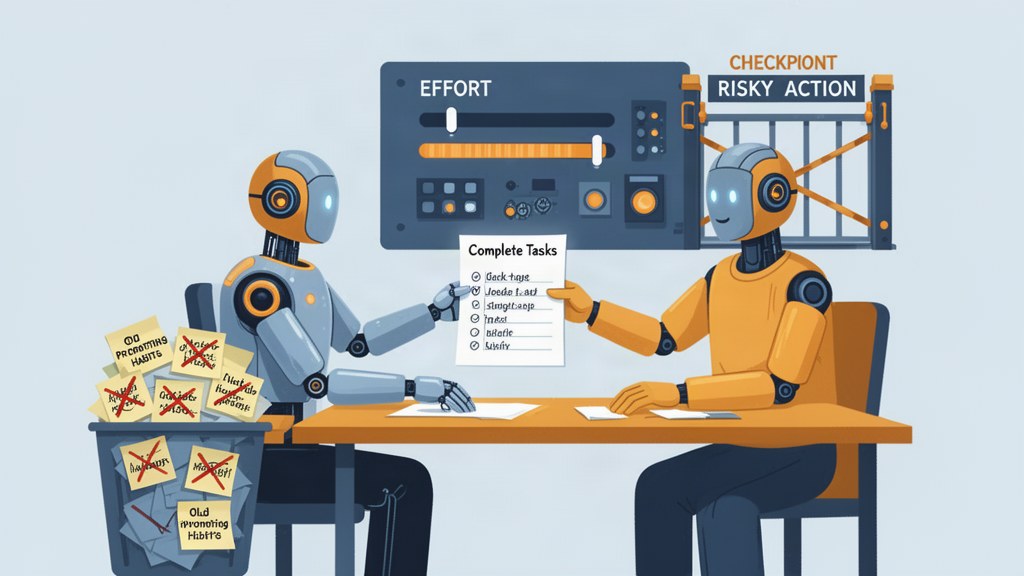
- Require an explicit plan: which commands, what effects, what risks. Here the agent proposed a plan rather than acting alone.
- Keep control of execution: validate each step, especially deletions and permissions.
- Confirm with a dedicated tool: in this account, Malwarebytes validated the cleanup.
What an agent does not replace
A conversational agent can help investigate, understand a process and structure a cleanup. It does not replace an antivirus for several reasons:
- It does not have a continuously updated signature database.
- It does not monitor the system in real time.
- It depends on what the user asks and what they agree to show.
- Its proposals must be verified, as shown by the file blocked by permissions.
The source also reminds readers that caution about the origin of downloads outside the Mac App Store remains essential. AI does not replace the user's judgment at the moment of download.
Key takeaways
This anecdotal case shows the extension of agentic uses beyond development: an agent can serve as a first look at a system that is overheating abnormally. But it is an account not independently verified, with the Mac model unspecified. The right stance is to treat the agent as an investigation assistant, not as protection. For everyday security, a dedicated antivirus and checking download sources remain the baseline.
This article is published by Roboto, a platform for generating texts, images, videos and voiceovers with AI. Roboto performed no testing on this case.
Source
Quand Claude Code se transforme en antivirus improvisé pour Mac